


St. Joseph Statue Rescued from Destruction – Carpenter’s Day, March 19, 2026
With sincere thanks to all carpenters and joiners who have worked with the Verstraete family since 1890 and continue to do so today. Your craftsmanship has created, and continues to create, exceptional timber and joinery work, for which we are deeply grateful.
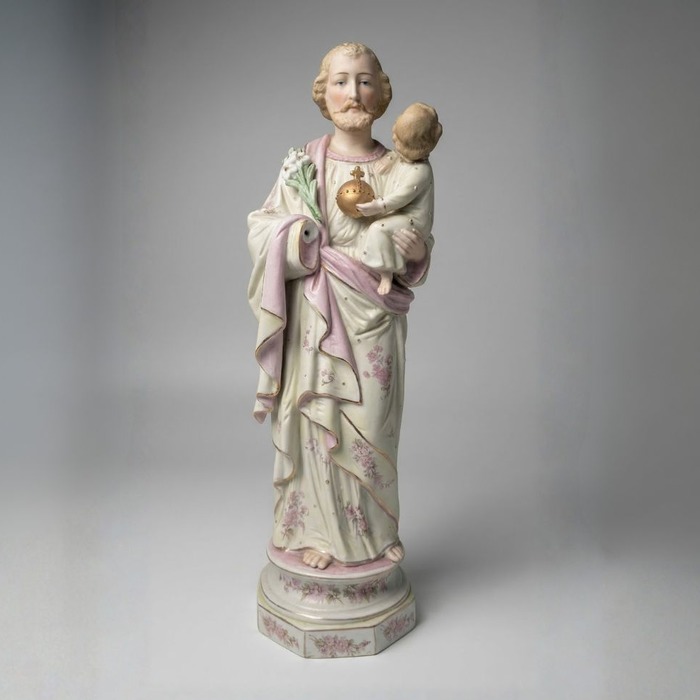
A Prayer in Stone and Wood: The Saint Joseph Statue of Leonard Verstraete (1860–1946) and the Flemish Façade Tradition
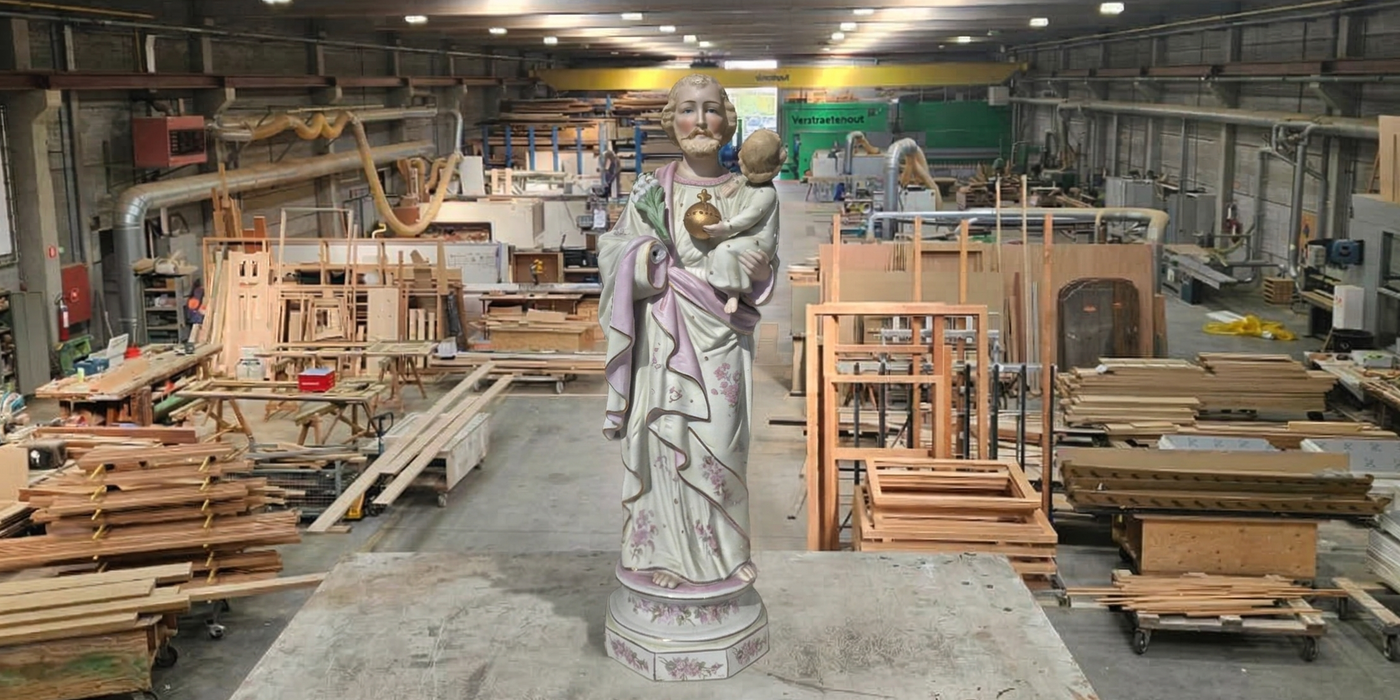
The beautiful preserved statue of Saint Joseph with the Child Jesus tells a remarkable story of entrepreneurship, family, and deeply rooted Flemish popular faith.
This statue was installed in 1908 by contractor Leonard and his four sons during the construction of his first joinery workshop in Louis Leynstraat in Rumbeke. It marked a crucial moment: the vertical integration of his construction business. Whereas he had previously worked together with his cousin Debruyne, he now took carpentry and joinery work into his own hands. It was the necessary stepping stone that allowed his construction company to flourish. But the decision to give this particular statue a prominent place at that moment was anything but a coincidence.
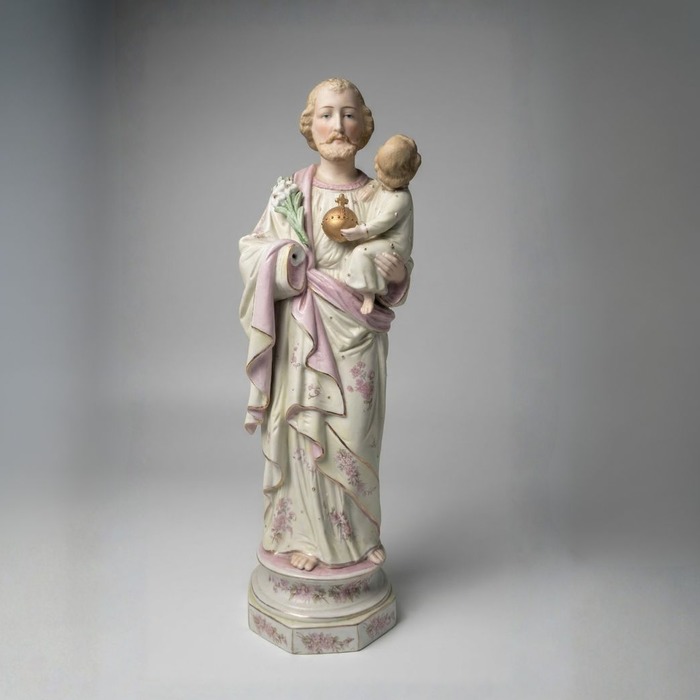
The Perfect Patron Saint for the Craftsman
Leonard’s choice of Saint Joseph is a wonderful example of the traditions of that time. Saint Joseph was regarded above all as the patron saint of workers, carpenters, and fathers. For this reason, he was very often placed specifically on workshops or craftsmen’s homes.
For Leonard and his sons, the statue served as a visual house blessing and a prayer in stone. It was firmly believed that such a statue offered protection over the building, its inhabitants, and their hard labour. At the same time, it was a way for contractors and joiners not only to demonstrate their piety, but also to showcase their craftsmanship.
The Golden Age of Catholic Façade Statues (1870–1914)
The period in which Leonard built his workshop (1908) coincided with the absolute heyday of façade statues in Flanders. Between 1870 and 1914, installing such niches was standard practice. Driven by an ultramontane revival of Catholicism and strong missionary zeal, the Church encouraged visible expressions of faith in the public streetscape.
At a time when liberalism and secularisation were on the rise, these statues served as a powerful public profession of faith, demonstrating: “A Catholic family lives and works here.” The growing popularity of brick architecture also played an important role. Contractors such as Leonard and his sons Georges, Michel, August, and Elias expertly integrated decorative façade niches into their buildings, making them a common feature of the streescape in cities such as Roeselare, Tielt, Kortrijk, and Bruges. Among the most popular figures were Our Lady of Lourdes and Saint Joseph with the Child Jesus.
In 2015, during the demolition of the workshops, Francis happened to drive past while inspecting the demolition works. By sheer chance, he noticed the statue still standing in the partially demolished façade. He immediately stopped the car, jumped out, and was hoisted up in the crane bucket. Just in time, he managed to grab the statue and rescue it from destruction. Now back in safe hands, the statue stands secure once again and continues to offer its protection—a belief we are more than happy to embrace.
Read more articles