

205 years of entrepreneurship. Not an inheritance, but a choice.
Few family businesses survive two centuries. Even fewer dare to fundamentally reinvent themselves. Verstraete.team , active in construction and woodworking, proves that tradition doesn't have to hinder innovation. After thirty years at the helm, Francis Verstraete has opted not for a traditional handover, but for a strategic reshaping of leadership. Not a departure from the DNA—but an upgrade of the engine.
Here are four lessons in modern leadership from a transformation that focuses on continuity and scalability.
1. From 'lone wolf' to co-CEO: leadership as a system
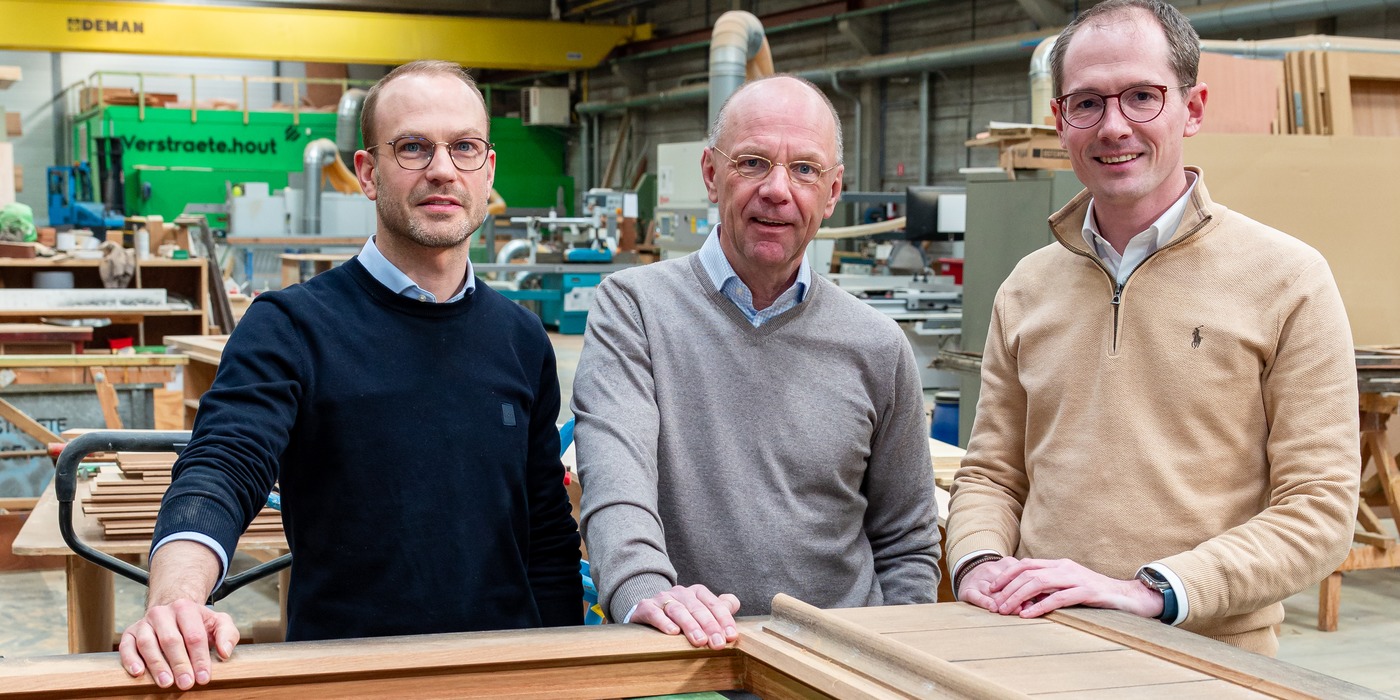
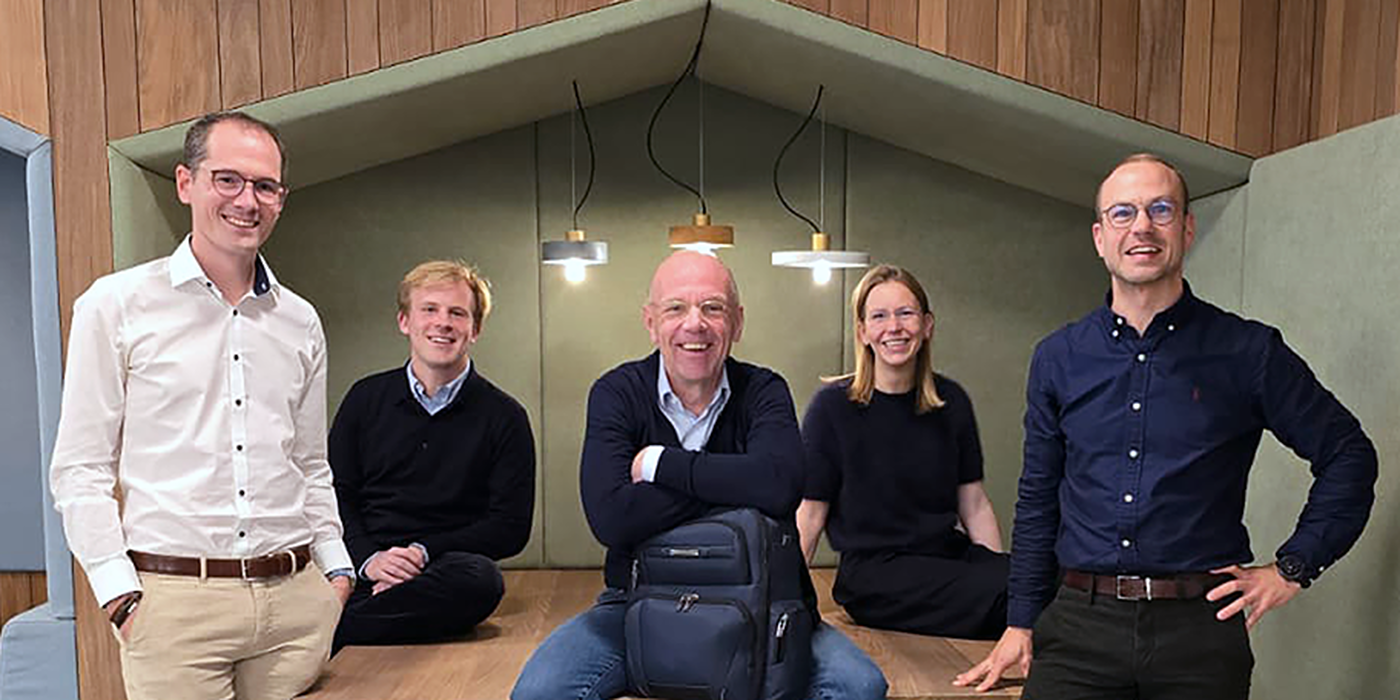
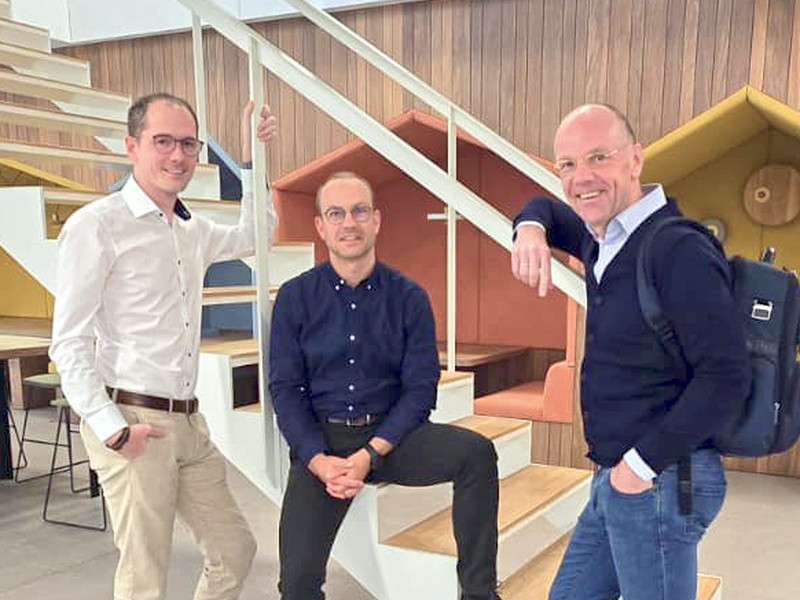
The complexity of today's construction industry demands more than a single decision-making center. That's why Verstraete.team has chosen two co-CEOs: engineers Bart Masschelein and Toon Declercq. Their complementary strengths—developed in Construction and Wood, respectively—are now embedded in daily management. The result: faster decision-making, built-in contradiction, and strategic robustness. Instead of concentrating leadership, it is deliberately distributed here. Not as a compromise, but as a reinforcement.
2. Grow with culture as a compass
Expansion towards Brussels and Antwerp isn't just a geographical ambition. It's a conscious choice to increase impact without losing identity.
For Verstraete.team, growth means exporting culture, not just revenue. Family values remain visible on site and in the boardroom.
This way, the next generation, with Sebastiaan Verstraete as project manager in Brussels, acts as a bridge between tradition and new markets. Not symbolically, but operationally.
3. From CEO to Chief Vision Officer
Many family businesses stumble over the "Founder's Trap": the founder who continues to steer from behind the scenes. Francis Verstraete deliberately chooses a different role: Chief Vision Officer. No operational involvement, but strategic oversight of vision and values. This distinction creates oxygen for the new management and simultaneously preserves the 205-year-old corporate DNA.
4. Succession is not a right, but a decision
The next generation's entry isn't out of obligation, but out of conviction. In modern family entrepreneurship, motivation is more important than reputation. When succession is a conscious choice, moral authority is created. And that's precisely what guarantees continuity in a rapidly changing construction and real estate market.
The future is built, not inherited
The repositioning of Verstraete.team demonstrates what future-oriented leadership means: sharing responsibility, formalizing vision, and creating space for talent.
After 205 years, the essence remains unchanged. But the way it's organized is radically future-focused.
The real question, therefore, isn't how to hand over a company.
But how to organize it so it becomes stronger without you.
Read more articles